DVD-quality lessons (including tabs/sheet music) available for immediate viewing on any device.
Take your playing to the next level with the help of a local or online banjo teacher.
Weekly newsletter includes free lessons, favorite member content, banjo news and more.
Premier Sponsors





|
Please note this is an archived topic, so it is locked and unable to be replied to. You may, however, start a new topic and refer to this topic with a link: http://www.banjohangout.org/archive/173153/11
Page: 1 2 3 4 5 6 7 8 9 10 11 12 13 14 15 16 17 18
ObsidianSpike - Posted - 12/31/2012: 23:58:14
Alright, just a few more questions... So I was reading back a few pages and it was mentioned that drum heads tend to have crowns too low for use in a banjo. Is that true of the 6" Fiberskyn as well?
Also, if I wanted to use Rudy's plans to make a shorter scale (perhaps 19 3/4") banjo, would that just be reflected in the neck length? Or would other measurements (e.g. width at nut, width at heel, placement of the fifth string peg) change in relation to that? Would they just change proportionally?
plunknplinkntwang - Posted - 01/01/2013: 01:07:43
If your going fretless there's a balance to be struck. Too long a scale means moving the left hand position to note cleanly conversely too short a length means it's easier to be a quarter tone out due to the closer spacing
The way I do it for an 11" banjo is to use stew macs fret calculator stewmac.com/freeinfo/Fretting/...calc.html
Important NB - where do you want the bridge to sit on the head?
ObsidianSpike - Posted - 01/01/2013: 08:04:03
Likely at the center of the head, though I might move it closer to the tailpiece if it makes it easier to play fretless.
rgoad - Posted - 01/01/2013: 08:43:35
The Hicks-Harmon style banjo plans I have show the bridge in the middle of the head. Could that be due to the smaller head so as to get better volume and lower tone?
rudy - Posted - 01/06/2013: 06:50:08
quote:
Originally posted by ObsidianSpike
Alright, just a few more questions... So I was reading back a few pages and it was mentioned that drum heads tend to have crowns too low for use in a banjo. Is that true of the 6" Fiberskyn as well?
Also, if I wanted to use Rudy's plans to make a shorter scale (perhaps 19 3/4") banjo, would that just be reflected in the neck length? Or would other measurements (e.g. width at nut, width at heel, placement of the fifth string peg) change in relation to that? Would they just change proportionally?
You can use the free plans at Bluestemstrings.com to make any scale length you like, but the dimensions shown relate to an authentic Proffitt-style representation. You can use a simple ratio in proportion to calculate the difference in neck length and position of the fifth position bump out, but it's easier to just run the numbers in any of the freely available on-line fret position calculators. Do not adjust the width measurements, they should remain the same.
The low crown of commercial drum heads is the Achilles' heel of using a modern head with locked head bead in the mountain banjo designs. It can be done with a little care and planning, but that almost defies the mountain banjo ethic.
I've been thinking about doing a design using the much deeper replacement bongo head as supplied by Remo and other makers. These come in just about any size that you would want and have a VERY high crown height, but that would be hidden inside the pot assembly. Here's an example:
musiciansfriend.com/drums-perc...000000107
Maybe it's time to do an updated version of the mechanically tensioned mountain banjo design using a 7", 8" or 9" bongo head. Sounds like a good project for 2013!
plunknplinkntwang - Posted - 01/09/2013: 15:44:57
Just a brief description on how I identified my convenient scale length to making noting a fretless easier.
On your fretted banjo use the fingerboard to find where your finger tips will reasonably fall on fret wires three spaces apart; 2 to 5 H/O aren't usual but neither are they rare. Take "reasonably" to mean not stretching to the point of dislocation nor scrunched up neither. Figuratively assume these represent frets 2 & 5 of your bespoke fretless scale length; simply measure from two frets above the figurative 2 to the bridge & you've a distance to base the design on.
marzuk - Posted - 02/04/2013: 06:59:01
Hello to every body in this amazing topic!
didn't see a discussion over the different sound when using different tone rings material,
thought I'm still trying to figure out what could i use for one, i would also like to know
.if there is a sort of metal (or wood) recommended.
another question: how it is possible to create more tension (if needed with time) on the drum/skin when the "hide" ring is set exactly between the top and the bottom parts?
are there any solutions for tension adjustment?
.hope this topic will never end. this could be a real substantial assay one day!
Edited by - marzuk on 02/04/2013 07:02:42
marzuk - Posted - 02/04/2013: 07:50:12
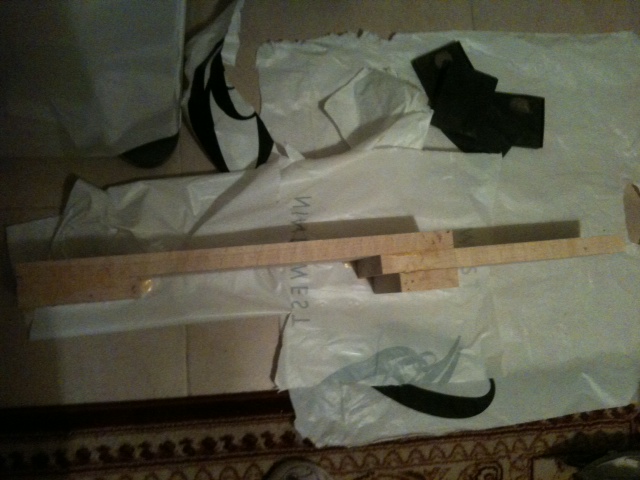
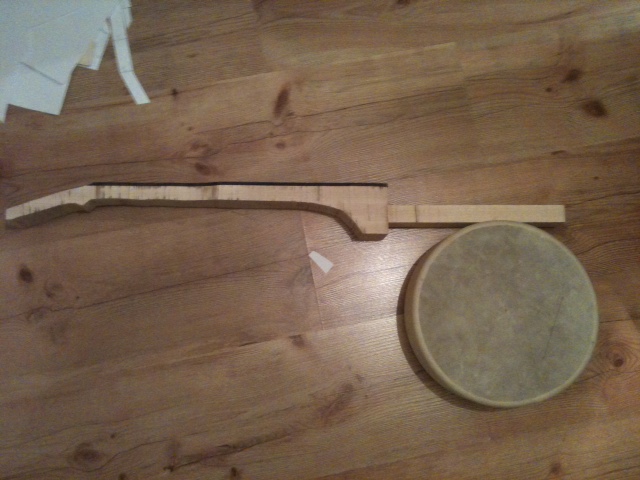
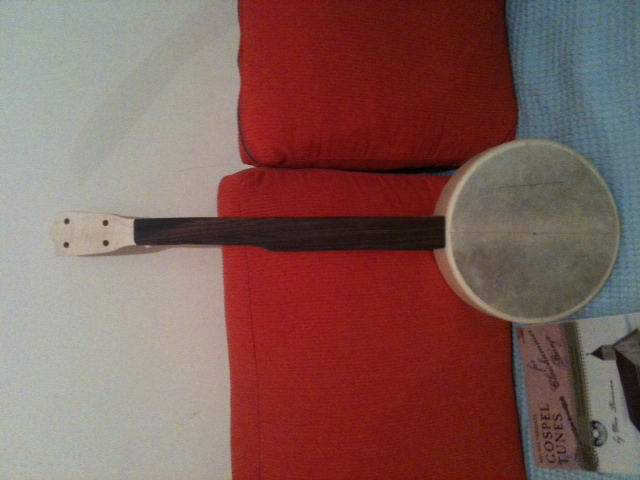
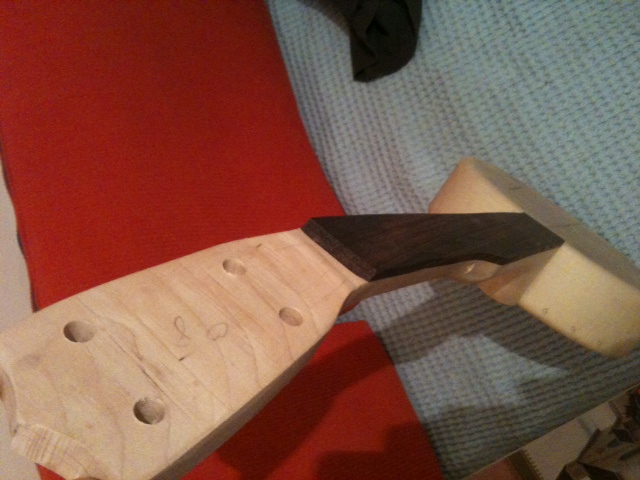
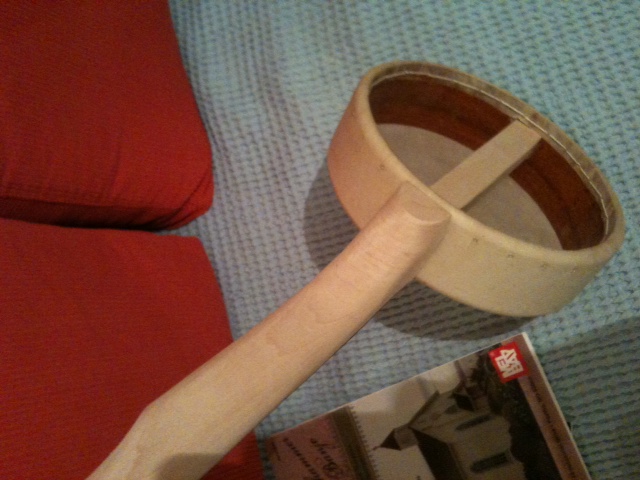
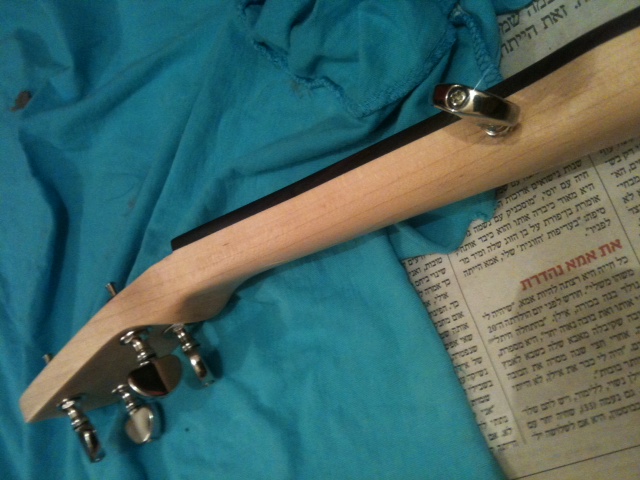
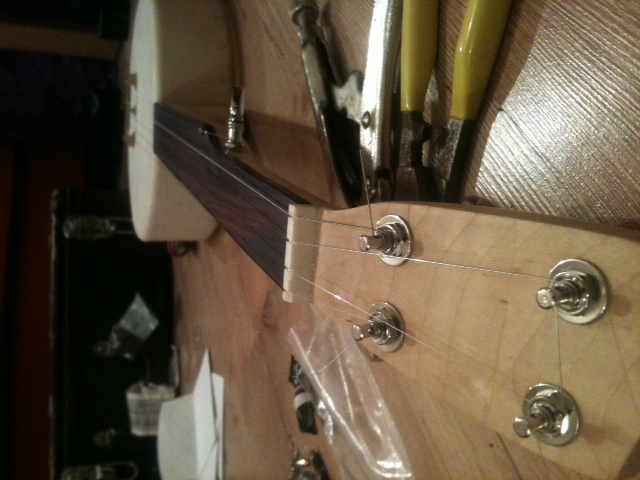
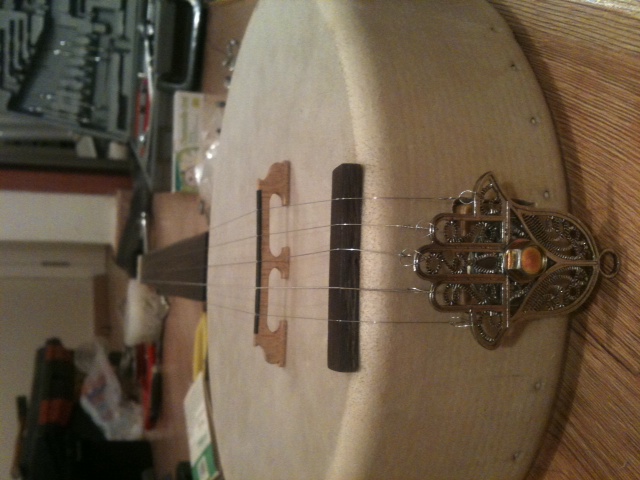
here are some pictures of my own version of a fretless piccolo road MB, with things i could work with.
the head is a goat skin drum, the neck is maple and a rose wood fret board and the tail piece is
Hamsa.. a Mediterranean traditional symbol.
 |  |  |  |
 |  |  |  |
rudy - Posted - 02/04/2013: 17:19:41
quote:
Originally posted by marzuk
here are some pictures of my own version of a fretless piccolo road MB, with things i could work with.
the head is a goat skin drum, the neck is maple and a rose wood fret board and the tail piece is
Hamsa.. a Mediterranean traditional symbol.
Very interesting build, marzuk!
How did you ever stretch that hide OVER the rim without getting any wrinkles?
I'm not crazy about Sta-tites and steel strings, but to each his own. You do know that you can lower the strings down at the nut end until they almost touch, right? There is no need for any additional clearance on a fretless build and it contributes substantially to the effort it takes to depress the strings to the finger board.
It looks like it's going to be a great jo once you finish up the details!
marzuk - Posted - 02/05/2013: 03:32:14
Thanks, but the credit for the pot is not mine.. i bought the pot for 10 euro in a really cool percussion shop in Berlin.
My self I've built the neck and adjusted it to the pot.
like you said Rudy i did lower the action, and now the Banjo sound much better!
any recommendations for a type of metal or wood to make the MB tone ring of?
iamxavier - Posted - 02/23/2013: 09:34:10
new to woodworking here...
what would be some good wood to use that is real cheap and isnt too hard to work with? dont care about how it sounds as long as its not terrible.
also, what kinda (non-electric)tools and in what order should i use them to shape the neck after i cut the basic shape?
thanks alot guys
cbcarlisle - Posted - 03/09/2013: 11:28:56
Nice pic, Pastor Harry; where'd you find it? The frets look sorta wide, like they're inlaid wood. (If that banjer don't kill fascists, the pistol will.)
pastorharry - Posted - 03/09/2013: 22:05:08
quote:
Originally posted by cbcarlisle
Nice pic, Pastor Harry; where'd you find it? The frets look sorta wide, like they're inlaid wood. (If that banjer don't kill fascists, the pistol will.)
I got it shared with me on Facebook, I think from Beverly Hatfield, pretty classic shot, I labeled it,"I'm about fed up with them banjer jokes!!"
Todd Treadway - Posted - 03/11/2013: 09:45:50
iamxavier -- A farrier's rasp is a GREAT neck-shaping tool. One side hogs wood off fast, the other side also cuts fast, but smooths it out. Add a half-round file for curves, and a few grits of sandpaper for final sanding, and you can shape a neck pretty quick!

stoneclaw - Posted - 03/19/2013: 16:46:13
i plan to use a 10.25 diameter pot. However I would like to use a smaller neck than the ones ive seen in the bluestem plans. If I make the neck (nut to the point where the end of the neck meets the pot, not just to the tabs that stick out from the pot) around 18 inches, will that mess up my bridge placement at the center of the pot?
Edited by - stoneclaw on 03/19/2013 16:53:34
chip arnold - Posted - 03/19/2013: 19:01:33
You might have to tune it higher than standard. If it's going to be fretless, the only other consideration is that the 5th string pip be positioned correctly for the scale you use. There are fretting formulas available on line which will help you find where the pip should be. But that's an awfully short neck and if fretless, it won't be very forgiving of misplaced fingers.
stoneclaw - Posted - 03/19/2013: 20:14:09
the only reason I want it shorter is because I measured the neck on my fretless enoch tradesman, and its a little longer than 18. It is the 25.5 scale though with the 5th string pip located at 6.4 inches from the nut. I just like the feel of it and its a good fit for me. So I wanted to try and keep it around the same size. The pot is 11 inches on my tradesman with the 18 inch neck so id like to try to keep the mountain banjo within that same range. But im curious as to how the neck length affects where the bridge goes.
stoneclaw - Posted - 03/19/2013: 20:14:09
the only reason I want it shorter is because I measured the neck on my fretless enoch tradesman, and its a little longer than 18. It is the 25.5 scale though with the 5th string pip located at 6.4 inches from the nut. I just like the feel of it and its a good fit for me. So I wanted to try and keep it around the same size. The pot is 11 inches on my tradesman with the 18 inch neck so id like to try to keep the mountain banjo within that same range. But im curious as to how the neck length affects where the bridge goes.
plunknplinkntwang - Posted - 03/20/2013: 10:07:30
quote:
Originally posted by stoneclaw
i plan to use a 10.25 diameter pot. However I would like to use a smaller neck than the ones ive seen in the bluestem plans. If I make the neck (nut to the point where the end of the neck meets the pot, not just to the tabs that stick out from the pot) around 18 inches, will that mess up my bridge placement at the center of the pot?
18" of fingerboard on a 25.5" scale ordinary Ø11" banjo would place the bridge approximately 7.5" from the neck/pot juncture... or 2" towards the tail/away from the center of the head
If I read you right you propose is 18" + 5"1/8 = 23"1/8 scale. Which means the noting positions will be noticeably different to what your accustomed to with your tradesman. To achieve 25.5" scale you could place the bridge 2"3/8 further back, whether this will negatively affect tone is a personal taste.
Open tuning can be overcome by string gage. Using heavier gage strings on shorter scale length is how I achieve open G tuning and providing a similar string tension/tactile sense for finger & thumb.
chip arnold - Posted - 03/20/2013: 11:17:03
Check my BHO photo page for pictures of the mtn banjos I'm building and selling. I use a 25" scale and I put the bridge dead center on the head. This position and the length of the actual neck are affected on a mtn banjo by the dimension from the center of the head to the edge of the pot extension where the neck joins. Measure this and subtract from the scale length you want giving you the length you need from the neck/pot joint to the nut. Add the amount you need for the peghead and you have your actual neck length.
stoneclaw - Posted - 03/20/2013: 11:18:36
ok, so what should my dimensions be if I want to make my mountain banjo as close to the tradesman as possible?
chip arnold - Posted - 03/20/2013: 13:48:17
I think I just explained that :-)
You say the tradesman has a 25.5 inch scale. That is the distance from the nut to the bridge. So first, design your pot. Then determine the distance from the center of the head (or wherever you want the bridge to be) to the point where the neck will join the pot. Subtract that distance from 25.5 and you will have the dimension from the neck/pot joint to the nut, giving you the scale length of 25.5". Make your neck accordingly.
stoneclaw - Posted - 03/20/2013: 16:23:13
sorry chip, must have posted at the same time as you did. Thanks for explaining what the scale meant. Answered my question perfectly. Also, how is the skin head tensioned against the metal ring thing? i see on the bluestem plans its tacked against one of the wood pieces. However early in the thread mountainbanjo mentioned that he just drapes the head over the ring and then it pushes on the head. Does the skin have to be held in place by the top disk and the hoop? i would prefer the non tacked method but I cant seem to see how it works
chip arnold - Posted - 03/20/2013: 18:19:05
I tack AND glue with Titebond II. I pre-drill holes for about 45 plain upholstery tacks and smear a bead of glue all around where the head will be tacked. I use thin goat hides from Elderly at $9.00 each and cut them to fit. I allow 1/2" on the underside of the top piece for tacking/gluing which means that the center piece must be cut with 1/2"+ clearance all around (1 1/4" larger inside diameter than the hole in the top piece) so as to not interfere with the hide and tacks when it's all screwed together. With the top piece upside down on the bench, I lay the hide over it (after soaking 10 minutes in warm water) and press it down into the top with the tension hoop. When pressing down, I lack about 3/16" - 1/4" of pressing the head all the way down so that it would be flush with the top surface. Now I pull the hide snugly up and with a bead of glue all around, drive a couple of tacks into one spot. Then a couple opposite those and work around the circle that way, pulling the hide snugly against the tension hoop all the while. When it's all tacked the hide should lack 3/16" to 1/4 inch of being flush with the top of the pot. Quickly, while the hide is still supple and stretchy, (wet it more if it's drying out) I screw the pot sections together with the stretcher band inside, which will stretch the head flush with the top of the pot.
I've started using a 6 5/8" diameter PVC pipe union cut to the proper height for the stretcher.
Also, I've made a jig with which to press the tension hoop down into the top of the pot so that I can pull the hide back against it easily.
Mounting and stretching the head isn't really all that hard but it is crucial that it be done right or head tension won't be right.
eddie83 - Posted - 03/25/2013: 15:36:38
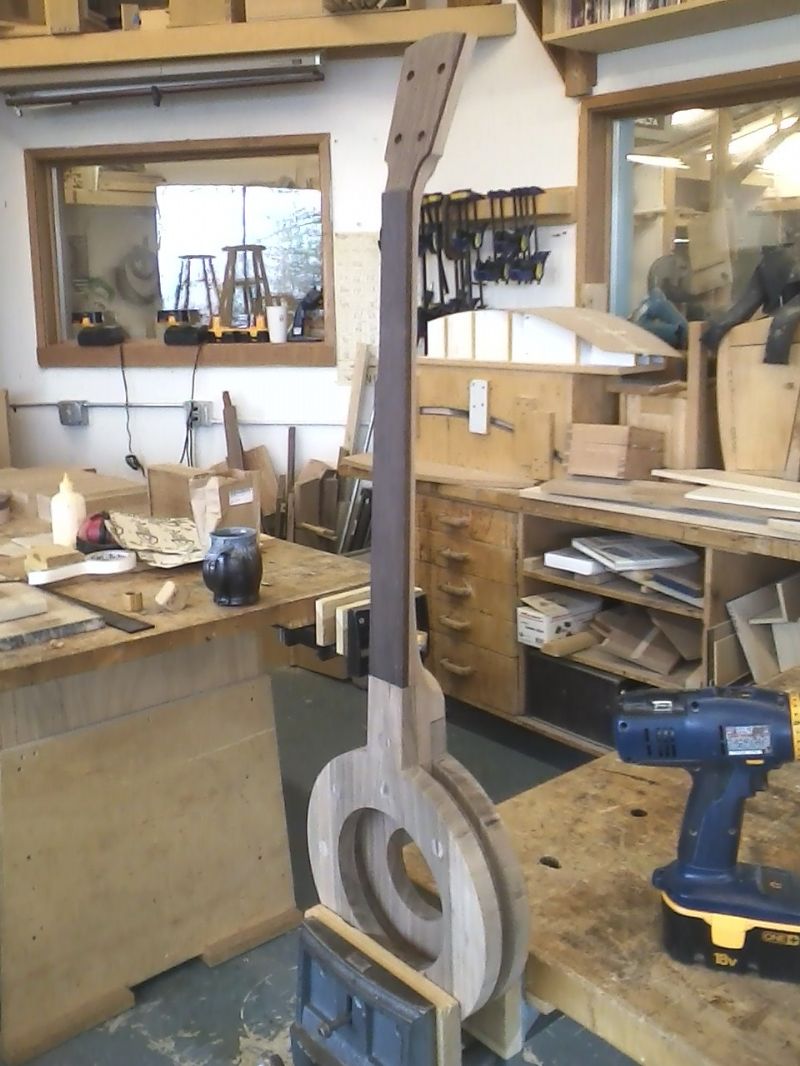
I got inspired by all these photos and thought I'd give it a shot. Two days of work here. Not too bad?
 |
cmorgan - Posted - 03/26/2013: 08:58:43
Hi everyone -
Inspired by this thread, I have been working on a fretless piccolo tenor banjo aka a 4-string fretless nylon-strung banjo mandolin. It's my dry run before making a larger instrument, and I figure it won't have to pale in comparison to everybody else's 4-string fretless nylon-strung banjo mandolin.
I bought some Grover 4B Sta-Tite Champion uke pegs to install.
(As an aside, in the "things you learn as you go along on your first build" department: If you plan on using friction pegs, you need to plan ahead for the peghead thickness tolerance of the tuners. I had a nice hefty 7/8" thick peghead which I needed to bring down to <1/2 for the tuners).
My question is: What size hole should I drill for the tuners? There is no installation information at all supplied with the tuners, but a diagram on the Stew Mac website indicates that the knurled part (i.e., the fattest part that sits in the wood) is 0.320. A 5/16" hole is 0.3125. Do I drill a 5/16 hole and then force the knurled parts into the hole, so that the extra 0.0075 is the "grab" for the knurls? Any advice on how to proceed would be appreciated.
thanks
Eddie83 - not too bad at all. looks great!
Edited by - cmorgan on 03/26/2013 09:00:59
cmorgan - Posted - 04/10/2013: 08:33:22
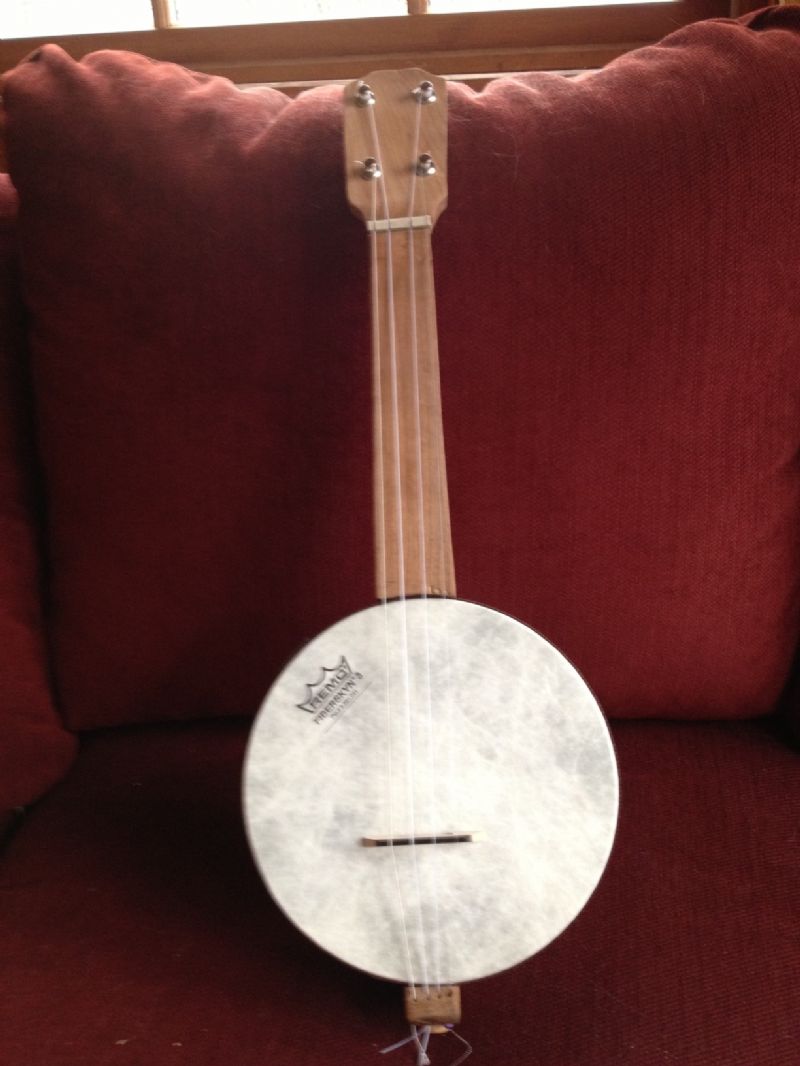
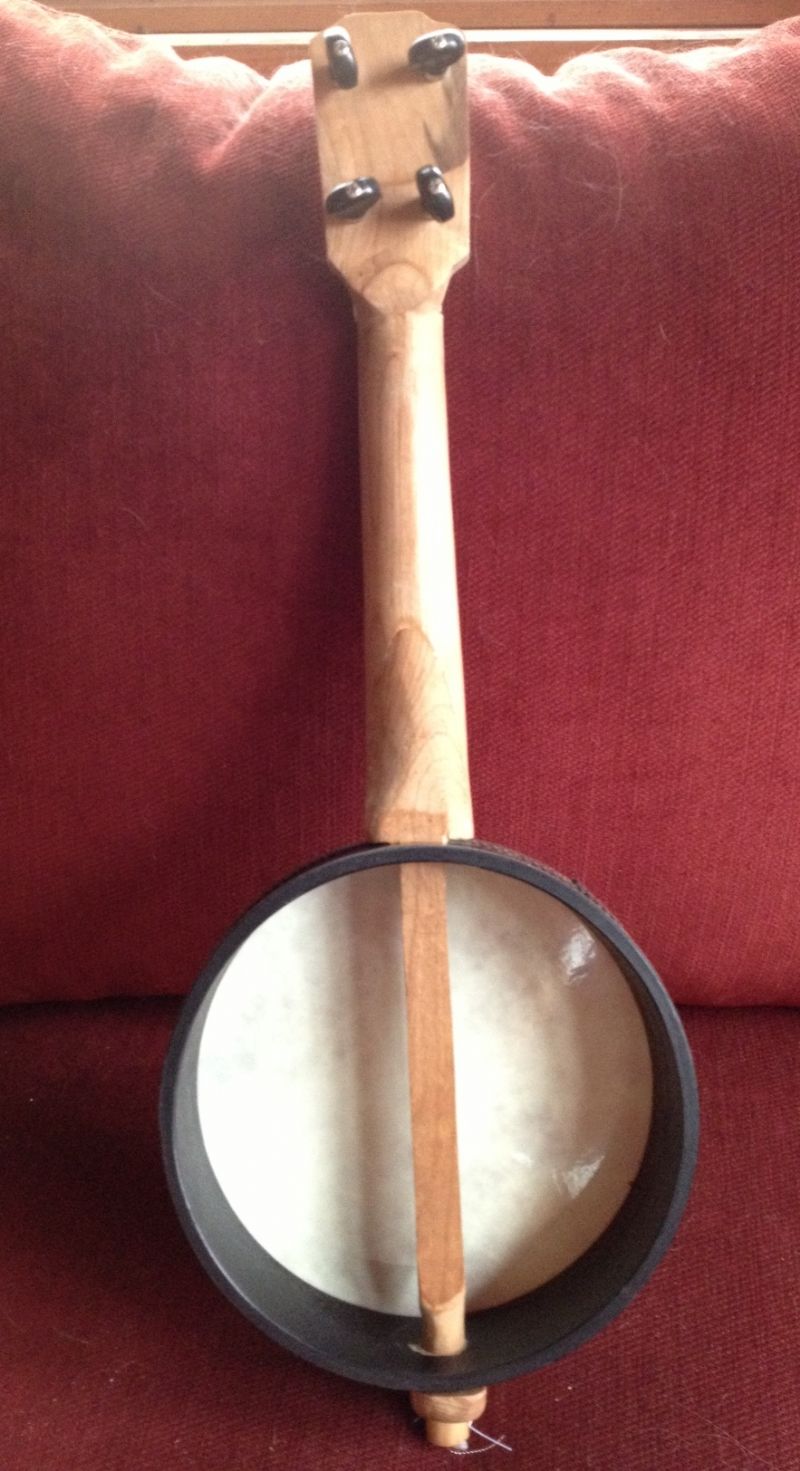
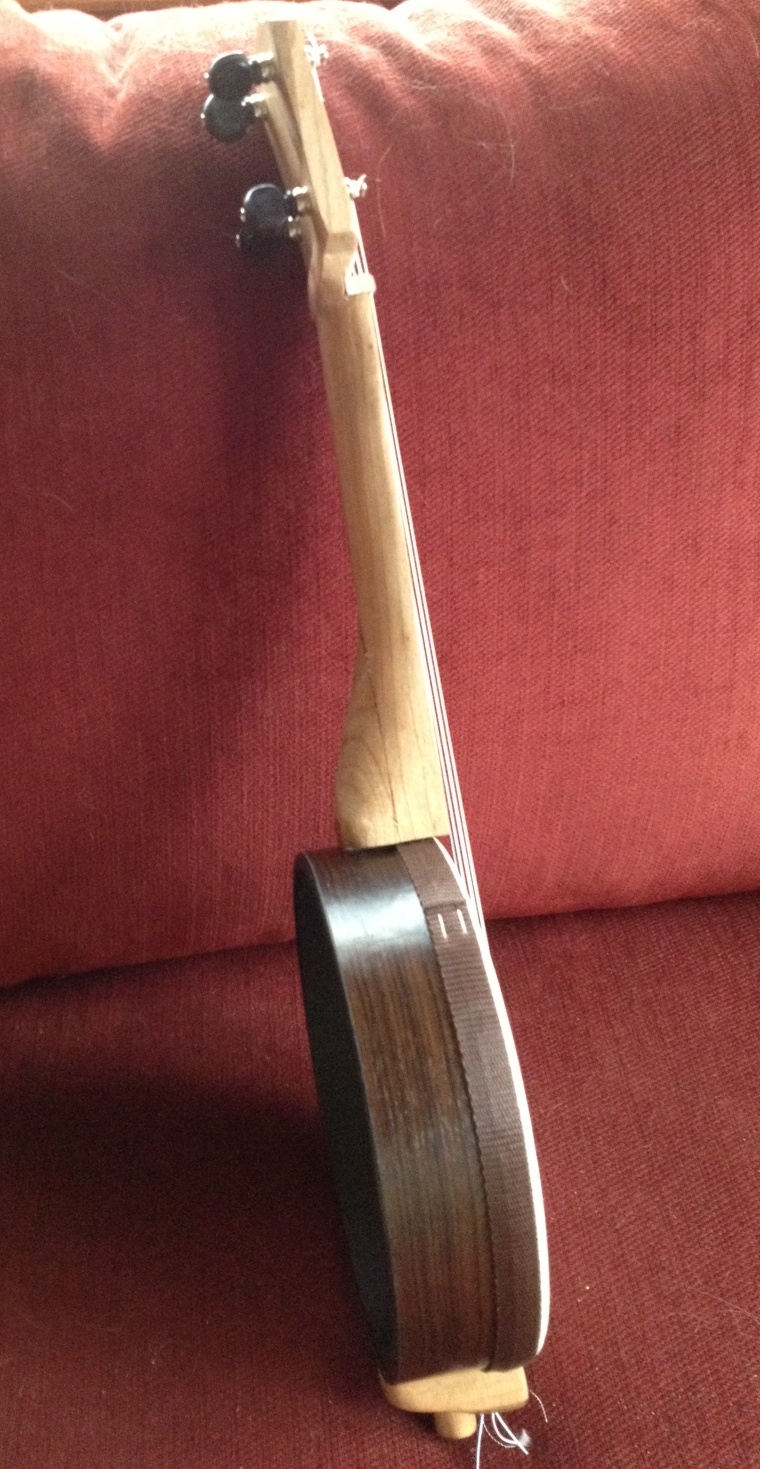
Well, here is the completed item. The design was modified from the Bluestem banjo plans to account for the smaller size and no fretboard. It's currently tuned EADG with Aquila mandolin strings. It has a kinda cool plunky sound; not nearly as obnoxious as a conventional mandolin banjo which tends to be pretty shrill. It weighs next to nothing and will be a handy travel instrument.
The action is a tad high up the neck. I had planned to cut the hole in the drum for the dowel stick a little higher towards the top of the drum, which would have made the action just right, but I was afraid of cutting too much into the binding that holds the drum head on so I compromised 1/8" or so. Action is fine in first position.
Regarding my previous post about installing the tuners, my proposed approach was wrong. You need to drill a smaller diameter hole for the tuner shaft, and then widen the hole on the top side of the peghead to a sufficient depth to fit the knurled part in.
A few other things I learned: Having a dremel was really handy. Proper nut files would be handy. I had one 0.010 file, which was a little small for the E string - I widened that slot with a jackknife. I used a little hack saw for the other slots, and cleaned them up (and widened the D string slot) with a bit of sandpaper. I should have used more clamps to glue the pieces at the start. I bought a microplane rasp, which is a really nice tool. I had to buy a small narrow rasp so could get the dowel hole in the drum the right size make
The drum and the tuners were each about $20, and the bridge and nut blank each about $5, so I've got about $50 into into it, plus $25 or $30 for the two rasps. The cherry is from a tree on my property.
Thanks to everyone who has posted on this thread for providing the inspiration to proceed, and to Rudy for the plans. It was a fun project. I plan to try a bigger 5-string next winter. I have a bunch of in-process photos if anyone is interested.
 |  |  |
GrizClaw - Posted - 04/25/2013: 11:14:00
Hi.....I've started a new Mountain Banjo Group because although there seems to be a lot interest I don't think there has actually been a group formed....I hope all of you will join Up!!!!!! Mountain banjos are really fun and the history is rich......I'm fairly new at it on building one so far but I'm hooked....Regards, Rick
chrism - Posted - 04/27/2013: 20:49:54
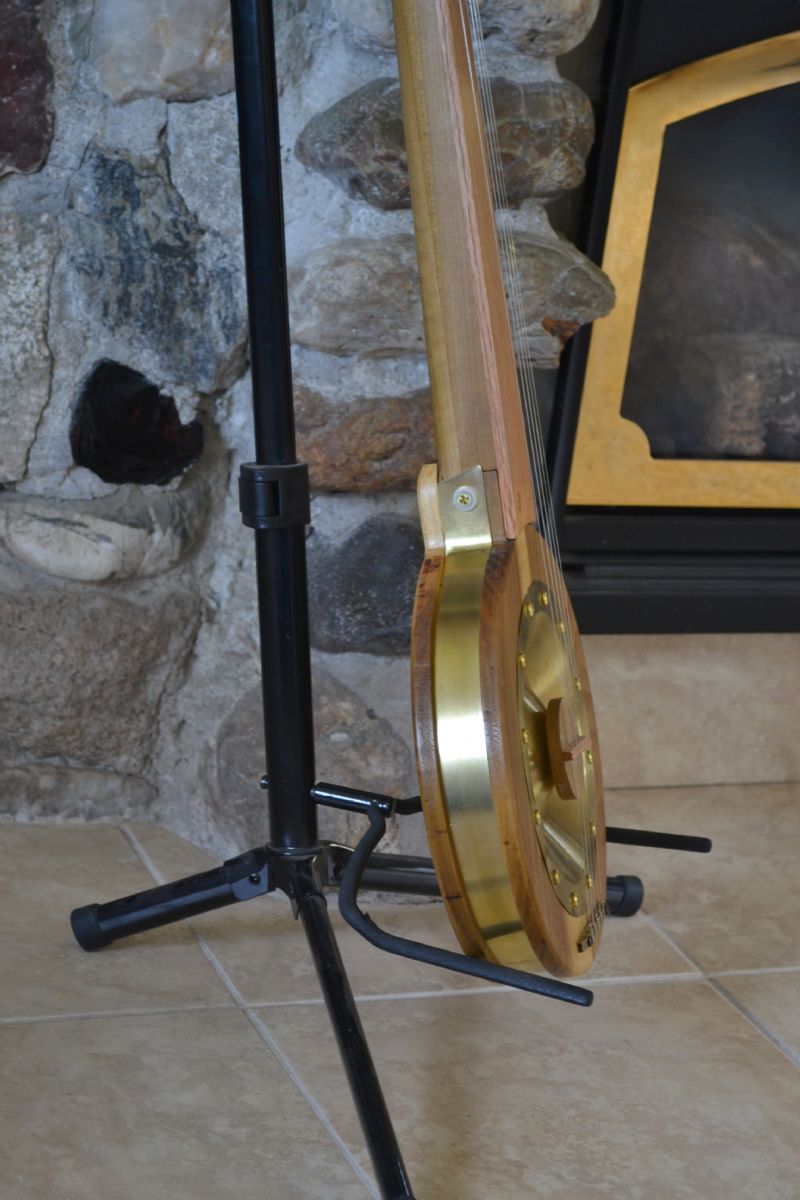
The new mountain banjo group has motivated me to finally post my mountain banjos. One is standard scale, the little one is "A" scale (built for my son) and the other is a standard scale resophonic mountain banjo.
 Resophonic Mountain Banjo | 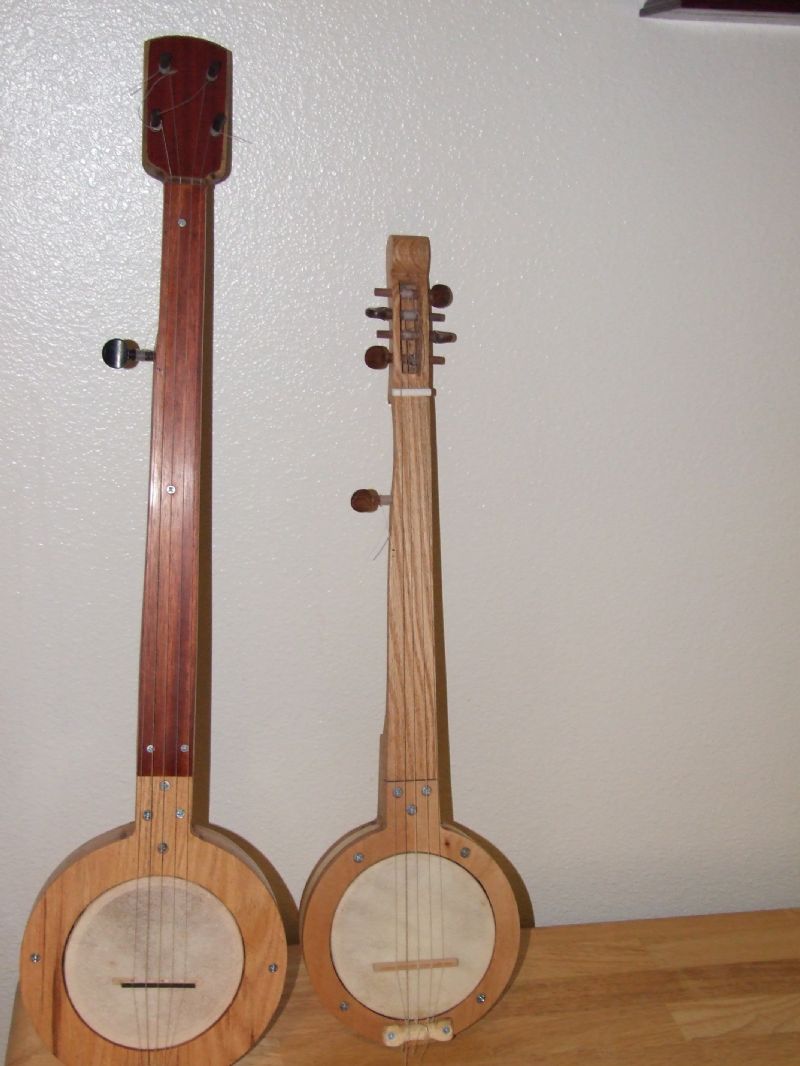 Mountian banjos |
GrizClaw - Posted - 04/27/2013: 21:39:22
quote:chrism...they are beautiful!!!! Rick
Originally posted by chrism
The new mountain banjo group has motivated me to finally post my mountain banjos. One is standard scale, the little one is "A" scale (built for my son) and the other is a standard scale resophonic mountain banjo.
chip arnold - Posted - 04/28/2013: 04:33:51
Hey Rick, how do i get to the Mtn banjo group?
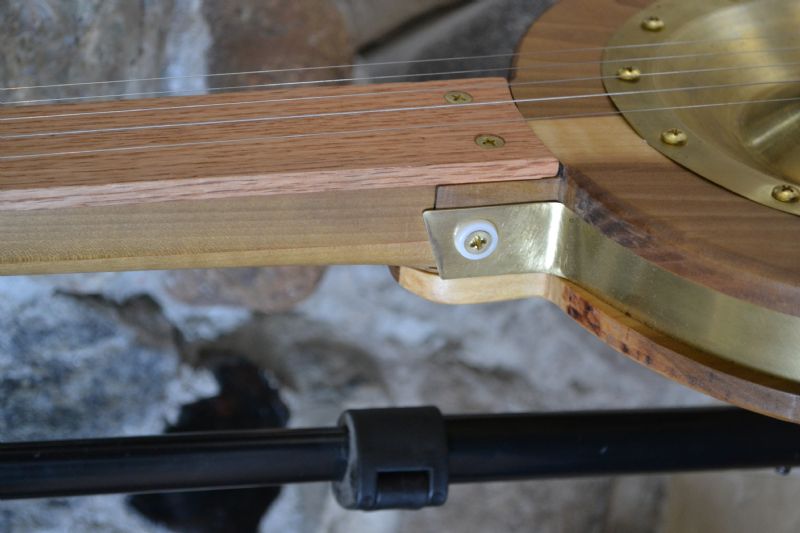
chrism, I like our banjos. What are the screws in the fingerboard for?
There are pictures of a couple of the ones I've built on my BHO photo page. They have an adjustable head tensioning system and proper neck to pot angle for good action. Right now I'm building one special order and one which will be for sale. Both are of cherry wood.
banjered - Posted - 04/28/2013: 06:11:24
Hey Rick, how do i get to the Mtn banjo group?
On the upper left of this page, go to forum, to groups, to "M", and scroll down. Banjered
GrizClaw - Posted - 04/28/2013: 15:34:11
quote:My bad....I didn't this post.....glad you found it......Rick
Originally posted by chip arnold
Thanks, i found it a while ago :-)
Good group.
chrism - Posted - 04/29/2013: 12:12:42
Thank you, Gentlemen for you kind words. Chip, the screws on fretboad attach it to the body (the fretboard is glued to the neck). This banjo has a brass band (not the traditional middle piece). I will see if I can find a profile pic.
GrizClaw - Posted - 04/29/2013: 13:08:30
quote:The use of the brass is really nice....Rick
Originally posted by chrism
Here are the pictures mentioned.
GrizClaw - Posted - 04/29/2013: 13:10:04
quote:Chrism, I noticed the fingerboard also....I like that.....did you reinforce the neck?
Originally posted by chrism
Here are the pictures mentioned.
Edited by - GrizClaw on 04/29/2013 13:15:31
GrizClaw - Posted - 04/29/2013: 17:22:12
quote:Yeah....I made mine out of maple from a stair banister....I think I could use it as a baseball bat....it's pretty stout. Rick
Originally posted by chrism
Thanks Rick, the neck is not reinforced (it is pretty thick)
treesner - Posted - 05/05/2013: 12:42:00
Hey guys, i'm building a mountain banjo right now and have a question about my skin head being to loose.
After i soaked my goat skin over night and started tightening the back plate screws I ended up cracking the middle ring at the very bottom (screws were pretty fat and didn't pre drill wide enough). I had to epoxy the ring back and wait a day. So i re-wet the head by applying water by hand, letting soak in for an 1/2 hour or so then tightened the back plate again.
This basically left me with a pretty loose feeling skin. Is there any way to tighten it up? My back plate seems to be as tight as it will go. I guess I cold unscrew the back plate, sand down the middle wood ring and then re screwing the back plate but i'm pressed for time and need to get this banjo done by today or tomorrow.
Let me know if you have any quick ways to tighten up a head like water + head or cold??
thanks!
-chris
rudy - Posted - 05/05/2013: 13:47:15
quote:
Originally posted by foxesandfeathers
Hey guys, i'm building a mountain banjo right now and have a question about my skin head being to loose.
After i soaked my goat skin over night and started tightening the back plate screws I ended up cracking the middle ring at the very bottom (screws were pretty fat and didn't pre drill wide enough). I had to epoxy the ring back and wait a day. So i re-wet the head by applying water by hand, letting soak in for an 1/2 hour or so then tightened the back plate again.
This basically left me with a pretty loose feeling skin. Is there any way to tighten it up? My back plate seems to be as tight as it will go. I guess I cold unscrew the back plate, sand down the middle wood ring and then re screwing the back plate but i'm pressed for time and need to get this banjo done by today or tomorrow.
Let me know if you have any quick ways to tighten up a head like water + head or cold??
thanks!
-chris
Folks that play skin head drums occasionally use a hair drier on low heat to tighten the head. It's only temporary, though.
treesner - Posted - 05/05/2013: 14:57:49
I've found another thread that lent me some knowlewdge but would love to hear more opinions.. here's what i've gathered so far
SKIN TIGHTING THREAD//
banjohangout.org/archive/196500
TECHNIQUES//
A) heat gun (nice and dry, compared to propane heat act)
B) warm skin over a candle (multiple candles)
C) remove bridge, damp cloth in center to moisten, remove cloth, skin dry over night
D) campfire coals (when not home)
NEGATIVES//
-wetting and drying skin multiple times damages animal skin
-wears it out
-wet then heat doesn't hold it's tightness
treesner - Posted - 05/07/2013: 14:13:06
What do you guys find to be a good tuning for the mountain banjo with nylgut strings?
jeffsbanjer - Posted - 06/06/2013: 15:43:17
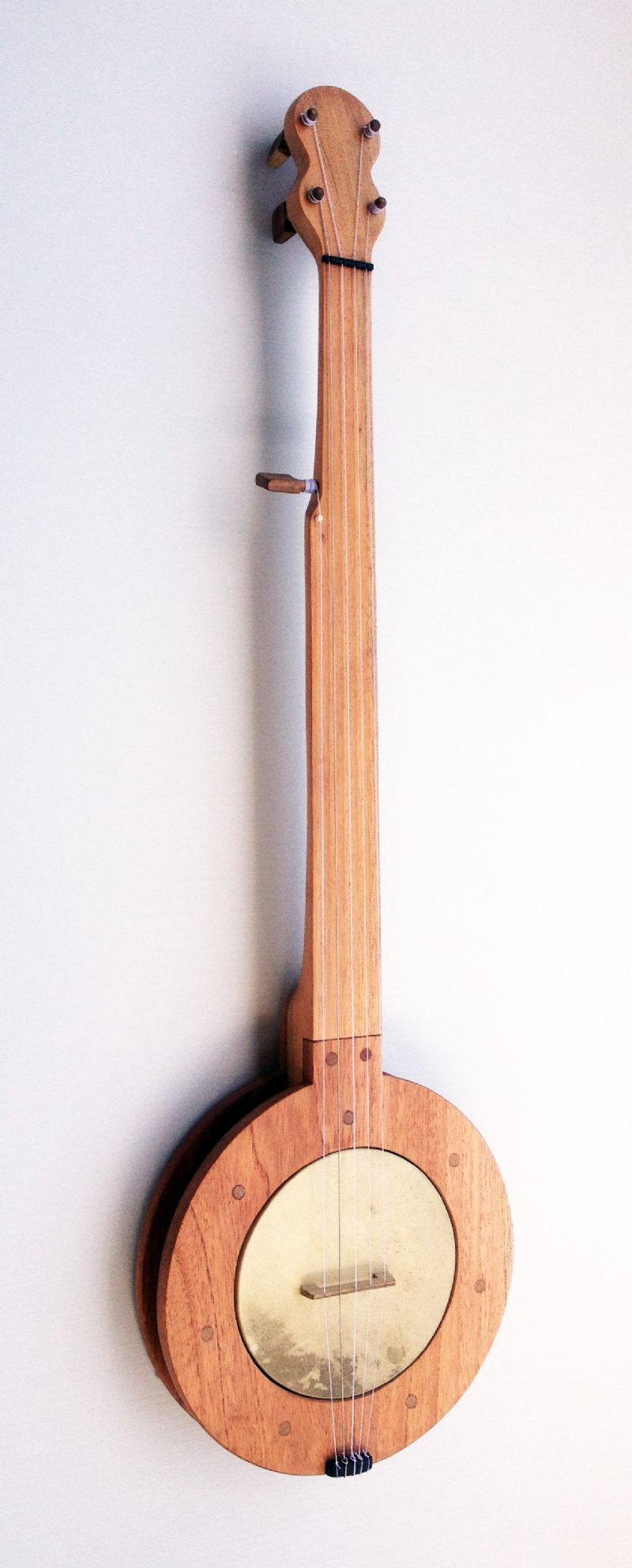
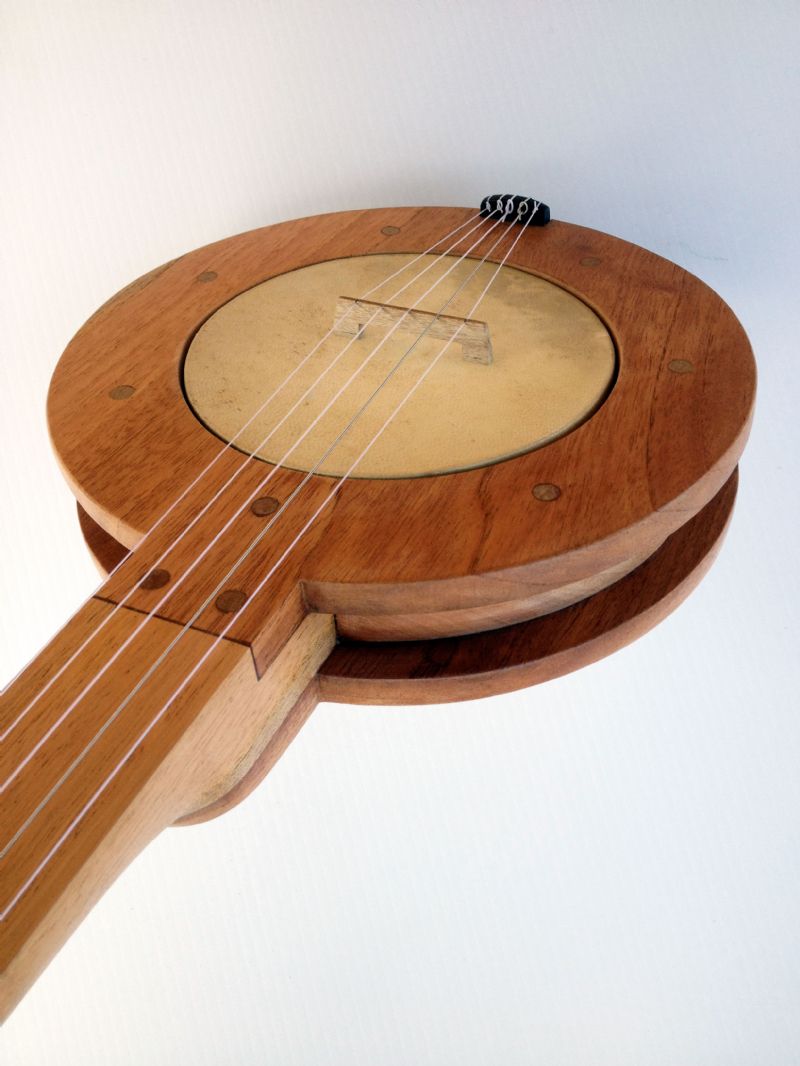
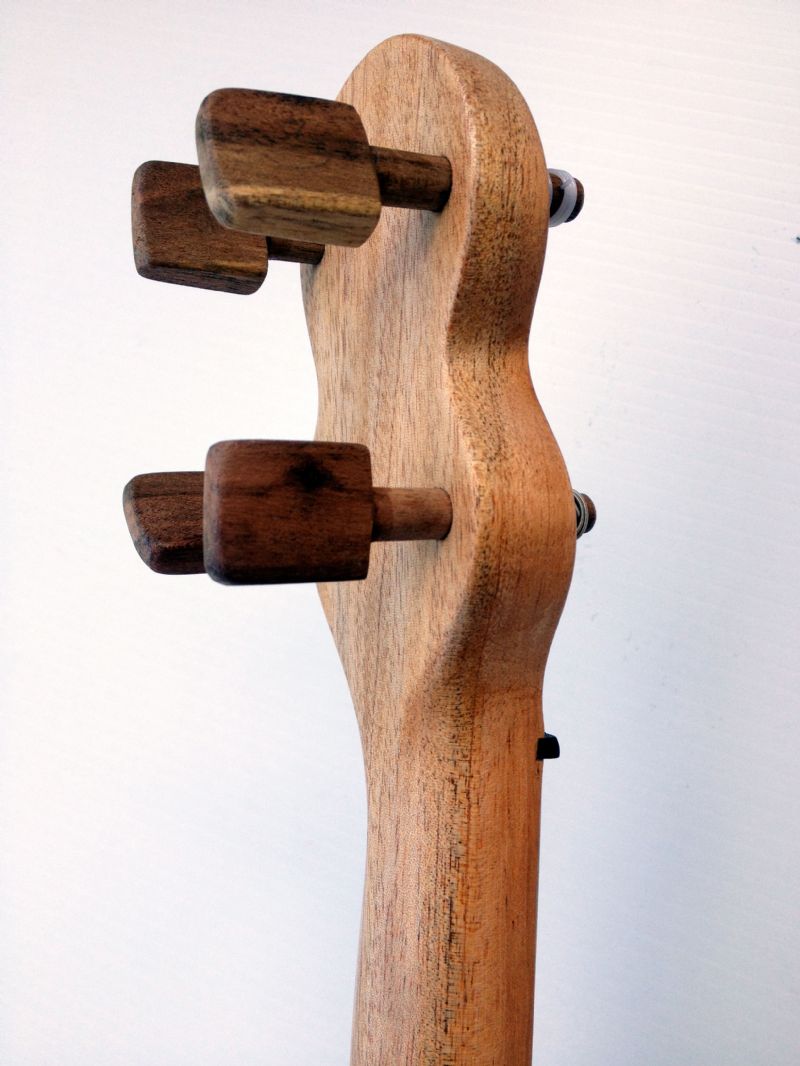
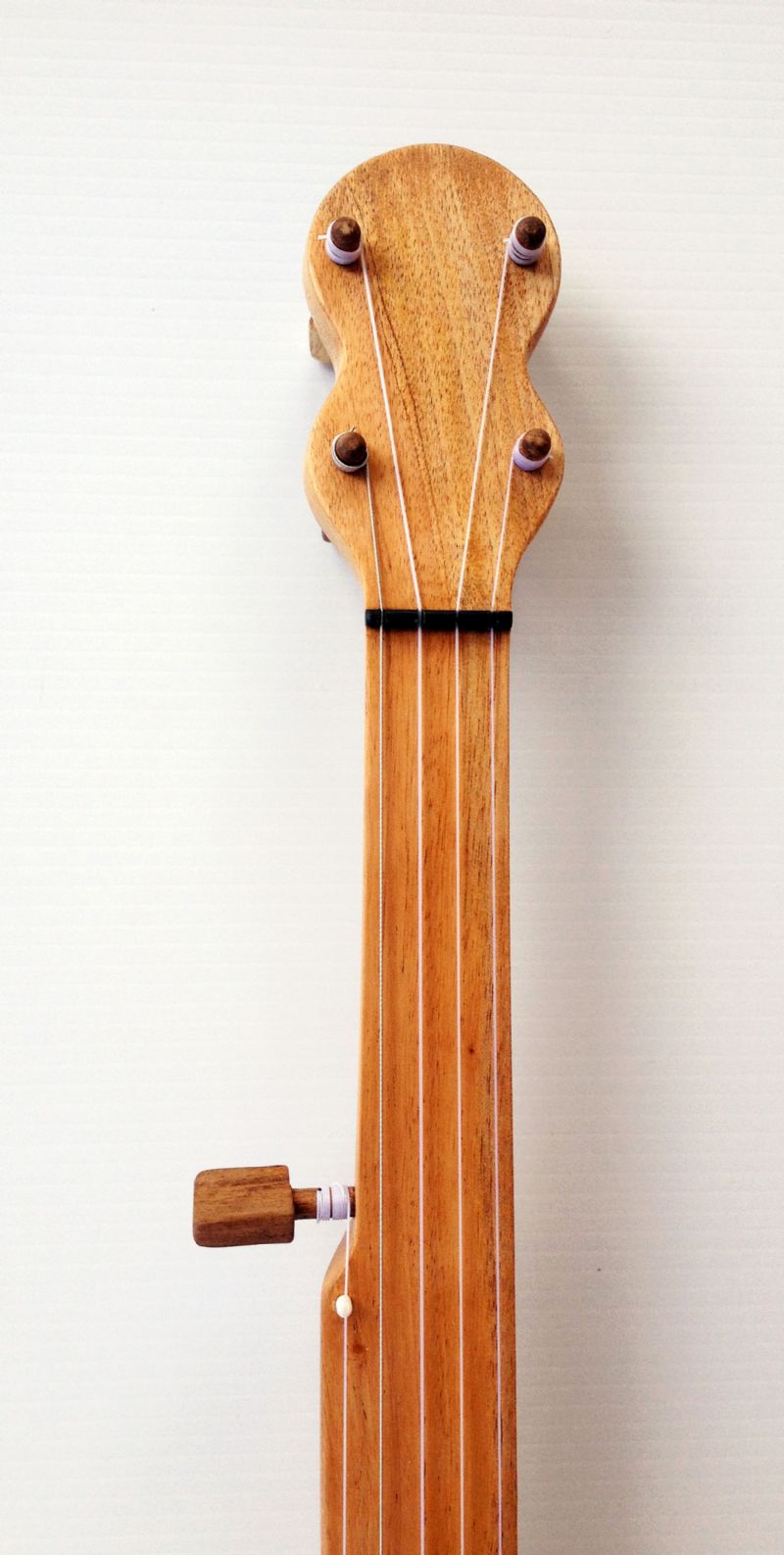
I thought that I would share my first mountain banjo... the first of many:
jeffreymenzies.com/instruments/other/279
Edited by - jeffsbanjer on 06/06/2013 15:50:26
 |  |  |  |
GrizClaw - Posted - 06/06/2013: 15:50:58
quote:Looks great Jeff....good luck.....Rick
Originally posted by jeffsbanjer
I thought that I would share my first mountain banjo... the first of many:
jeffreymenzies.com/instruments/other/279
Terms of Use | Privacy Policy | Privacy Consent (EU/GDPR Only)
Copyright 2026 Banjo Hangout. All Rights Reserved.


 Regarding frets on Mountain Banjos, and gun laws..